

Even the most reliable e-bike can have a bad day out on the trail — and knowing your e-bike trail essentials is the difference between riding home and calling for a lift. Packing a few simple tools to carry on an e-bike takes minutes, and it can save you a very long walk. At Electric Bikes Brisbane, we’ve been Brisbane’s local e-bike specialists since 2013, and our co-owner Sam rides these bikes every week — on her commuter and on the mountain bike trails.
As Sam puts it: “I’m not a mechanic, and I’m not even that mechanically-minded — but with the right kit, I can get myself out of trouble and back home, where someone who really knows what they’re doing can take over.”
Watch the Full Walkthrough
Sam lays out exactly what she carries on the bike and keeps in the garage — press play below to follow along.
Before You Leave — Prevention First
Check Your Tyre Pressures
Step one before every single ride. Correct tyre pressure is the single best way to reduce your risk of a puncture, and Sam does this every time she heads out — whether it’s a quick trip into Milton or a full day on the trails. It takes 30 seconds and it’s free. If you’re not sure what pressure your tyres should be, we’ve got a full guide: how to find your tyre pressure.
Consider Puncture-Proof Solutions
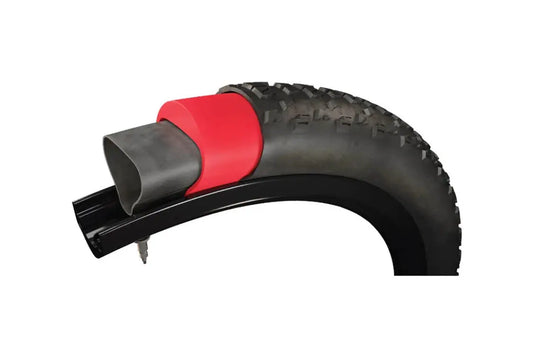
If you’re an adventurous rider — or a commuter who simply can’t afford to be stranded — it’s worth looking at puncture-proofing before you leave. Products like Tannus tyre liners sit inside the tyre and make flats nearly impossible, and there are plenty of other puncture-proof products on the market too. It’s well worth considering before longer Brisbane trail rides, rail-trail days, or touring.
Kit 1 — The Pannier Bag (Commuter and Touring Bikes)
On her Riese & Müller commuter, Sam runs a rear rack with panniers. She likes panniers because the whole kit lifts straight off and swaps between bikes in seconds. Here’s what lives inside.
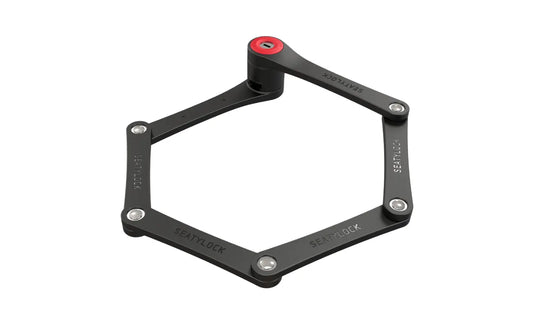
Lock
Always in the bag. Sam rides to the shops and cafes around Brisbane, so a lock is non-negotiable — carrying it in the pannier just means it’s always there when she needs it.
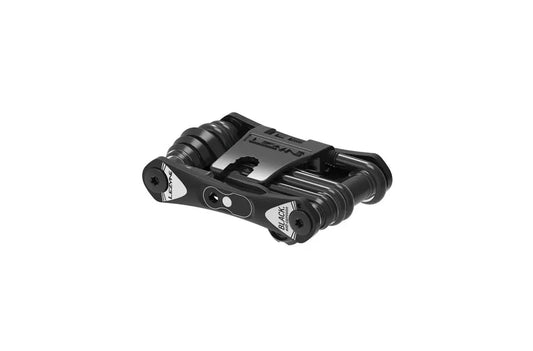
Multi-Tool
Sam’s pick is the Lezyne multi-tool — 10 tools in one, combining Torx heads and Allen keys. As a rule, absolutely every bike needs at least a T25 Torx head (it’s on the Lezyne, or you can buy one individually if you don’t have it at home). The most common Allen key sizes you’ll reach for are 3mm, 4mm and 5mm, but it’s handy to have a few extra sizes up your sleeve because every bike is a little different.
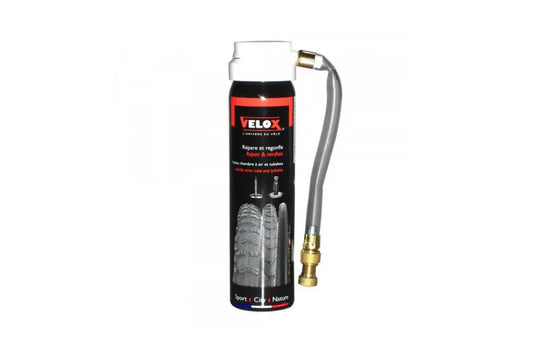
Velox Sealant and Inflator
Sam always carries a Velox sealant and inflator (there are many equivalent brands). It’s a foam that screws straight onto your valve, then inflates and seals the tyre at the same time. It’ll get you out of trouble on roughly 80–90% of flat tyres — as long as the tyre itself isn’t seriously damaged. As Sam says, “it can be the way you get home without having to call for a taxi.”
Spare Tube
Always carry a spare tube, and know your size — the tyre sidewall tells you what you need. Sam’s Riese & Müller runs a Rohloff internal gear hub, so she won’t change the rear tyre out on the trail (the internal hub makes it fiddly) — instead she runs a puncture-proof solution in that rear wheel. The front wheel she can change on the trail. Round it out with a mini puncture kit: tyre levers plus a small hand pump or a CO2 canister.
Kit 2 — The Backpack (Mountain Bikes and Derailleur Bikes)
For any bike without a rear rack — or when Sam is out on her mountain bike — she switches to a backpack. Derailleur and chain systems give you a few extra things to think about, because chains can drop and derailleurs can catch on obstacles.
Chain-Specific Tools
Three essentials for any bike with a derailleur and chain:
- Chain splitter — to remove a damaged section of chain.
- Power link — to reconnect the chain after splitting (carry at least one).
- Spare derailleur hanger — the hanger is designed to be the weakest link in your drivetrain. If the derailleur catches a branch or a rock, the hanger snaps first to protect your frame and drivetrain. It’s cheap, small and an easy swap — but every bike uses a different hanger, so check which one yours takes.
First Aid Kit
Sam carries a small first aid kit on longer trail and forest rides around South East Queensland. On mountain bike days where she’s pushing her limits, it’s standard kit — a few basics take up almost no room and are worth their weight the one time you need them.
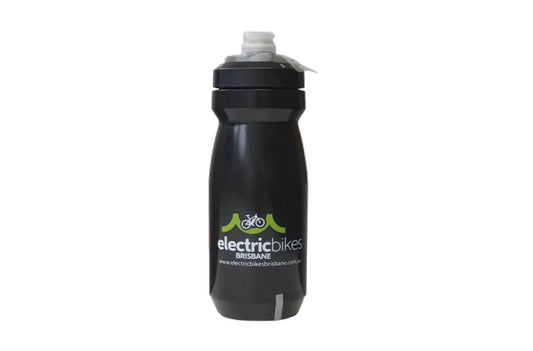
CamelBak
For mountain biking, Sam prefers a CamelBak — hands-free hydration means she’s never reaching for a water bottle mid-climb or mid-descent. It also doubles as extra carrying capacity for the rest of the trail kit.
At-Home Tools Worth Having
Two tools Sam strongly recommends keeping in the garage.
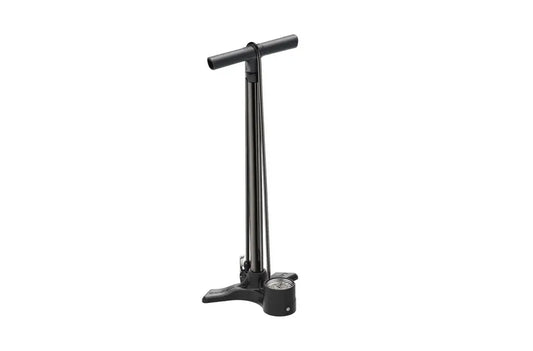
Floor Pump with Pressure Gauge
A decent floor pump with a built-in gauge is a small investment that pays for itself fast. Set the correct PSI before every ride (see our tyre pressure guide). It doesn’t need to be expensive — you can spend a lot if you want to, but you really don’t have to. It sits in the garage and it’s always there.
Torque Wrench
This is Sam’s top at-home recommendation for any high-end bike or bike with custom components — she specifically mentions Race and Rollers headsets as an example. Any bike where the manufacturer prints torque specs (in Newton metres) on the bolts needs to be tightened to those specs. Under- or over-tightening bolts can damage components and become a genuine safety issue. Torque wrenches come with interchangeable heads for different sizes, and you can buy them from a bike shop or from Bunnings. “It’ll save you so much time, and it is a safety issue if you don’t tighten things correctly.”
Get Your Bike Ready — Or Leave It to Us
You don’t need to be a mechanic to be prepared. The right kit gets you home — and that’s the main thing. If you’ve had a mechanical that needs a proper fix, our workshop in Milton, Brisbane is a Bosch accredited service centre and the team can sort it out properly. We’ve been keeping Brisbane riders rolling since 2013.
Book a Workshop Visit Ask the EBB Team
Frequently Asked Questions — E-Bike Trail Essentials
What tools should I carry on every e-bike ride?
At minimum: a multi-tool with a T25 Torx and 3/4/5mm Allen keys (such as the Lezyne 10-in-1), a tyre sealant/inflator canister (such as Velox), a spare tube in the correct size, tyre levers, and a mini pump or CO2 canister. For commuter bikes with a rack, these fit easily in a pannier. For mountain bikes, carry them in a backpack.
What is a Velox tyre sealant and how does it work?
Velox (and equivalent products) is a foam-based tyre sealant that screws directly onto the tyre valve. When activated, it simultaneously inflates the tyre and injects sealant to plug the puncture. It resolves approximately 80–90% of flat tyres — provided the tyre itself isn’t seriously damaged. It’s a fast, tool-free roadside fix that can get you home without assistance.
What extra tools do I need for a bike with a chain and derailleur?
Add three items to your trail kit: a chain splitter (to remove a damaged link), a power link (to reconnect the chain), and a spare derailleur hanger. The hanger is especially important — it’s designed to snap and protect your frame and drivetrain if the derailleur catches on something. Hangers are bike-specific, so carry the correct one for your model.
What is a derailleur hanger and why should I carry a spare?
A derailleur hanger is a small replaceable component that connects the rear derailleur to the frame. It is intentionally designed to be the weakest link — if the derailleur takes an impact (from a rock, stick, or crash), the hanger breaks first to protect the more expensive frame and drivetrain. Carrying a spare means a trail-side swap that takes minutes rather than an unrideable bike.
Do I need a torque wrench for my e-bike?
Yes — for any high-end bike or bike with custom components, a torque wrench is highly recommended. Many bicycle bolts have manufacturer-specified torque values (in Newton metres) printed directly on the component. Using the correct torque prevents bolt failure, component damage, and safety issues from incorrectly fastened parts. Torque wrenches are available from bike shops and hardware stores like Bunnings.


